

Overview of Streaming Platforms in Esports
Streaming platforms have become a cornerstone of the esports ecosystem, fundamentally transforming how audiences engage with live gaming content. These platforms serve as dynamic hubs where fans can watch, interact, and immerse themselves in competitive gaming events in real-time. The rise of streaming platforms has not only enabled wider global access to esports but has also facilitated community building and direct interaction between gamers, streamers, and fans.
The emergence of dominant players like Twitch and YouTube Gaming has driven the growth of esports by offering accessible, user-friendly streaming services tailored to live gaming content. Twitch, in particular, has established itself as the leading platform for esports streaming, boasting millions of active users and a vast array of esports channels spanning different game genres and tournaments. Its interactive features, such as chat rooms and subscription options, empower viewers to engage actively with their favorite streamers and esports personalities.
YouTube Gaming is another critical player that has expanded the reach of esports worldwide. Leveraging YouTube’s massive user base, it provides integrated features for streaming, video playback, and content discovery, making esports more accessible to casual viewers and dedicated fans alike. The platform supports diverse esports content, including live tournament broadcasts, player highlights, and strategic game analyses, thus enriching the overall spectator experience.
These streaming platforms have also redefined the economics of esports by enabling monetization opportunities through advertising, sponsorships, and direct viewer contributions. This financial ecosystem supports professional players and content creators, fueling the continuous innovation and competitive spirit that characterize esports today. Furthermore, the livestreaming culture nurtured by these platforms helps to cultivate a passionate and engaged community, encouraging participation and fandom growth at every level.
In summary, streaming platforms are pivotal in shaping the esports overview by offering the infrastructure and audience connectivity required for live gaming to thrive. As esports continues to gain momentum as a mainstream entertainment phenomenon, the evolution and integration of these platforms will remain central to its success and expansion.
Popular Streaming Platforms for Esports
Esports audiences and competitors primarily flock to three major streaming platforms: Twitch, YouTube Gaming, and Facebook Gaming. Each platform offers unique features and varying degrees of reach, making them essential hubs for esports content consumption and community engagement.
Twitch stands as the dominant streaming platform for esports, widely recognized for its interactive chat features and vast community of broadcasters and viewers. It offers specialized tools for esports tournaments, including real-time donations and subscriber perks, which enhance spectator engagement. Its global reach and strong brand association with gaming culture make it the first choice for many professional esports players and fans.
YouTube Gaming serves as a powerful alternative to Twitch, leveraging the extensive reach of the main YouTube platform. Its integration with Google’s search engine allows content to be easily discoverable, which benefits both up-and-coming and established esports creators. YouTube Gaming supports high-quality streams and offers robust archival options, enabling fans to catch up on past matches and highlights seamlessly.
Facebook Gaming, although newer to the esports scene, has quickly gained traction with its strong social media integration. The platform allows streamers to tap into Facebook’s vast user base and leverage social sharing to attract diverse audiences. Its focus on building communities through groups and pages makes it a solid choice for grassroots esports initiatives and localized tournaments.
Growth of Live Streaming and Esports Popularity
The rapid growth of live streaming has played a pivotal role in boosting esports popularity across the globe. Platforms like Twitch, YouTube Gaming, and Facebook Gaming have provided accessible venues where millions of fans can watch their favorite games and players in real-time. This accessibility has significantly expanded the esports audience by breaking down geographic barriers and making high-quality esports content available at any time.
Live streaming growth has enabled esports to evolve into a mainstream spectator sport by offering interactive features such as live chats, real-time reactions, and community engagement. These elements create a more immersive experience that encourages fans to participate actively, rather than passively consume content. This interaction fosters a strong sense of community and loyalty among viewers, further driving esports popularity.
Moreover, the rise of live streaming platforms has allowed new talent to be discovered and promoted globally, broadening the esports landscape and attracting diverse audiences. With regular broadcasts of tournaments, leagues, and exhibitions, esports enjoys continuous visibility that fuels sustained audience expansion. As live streaming grows, so too will the global presence and mainstream appeal of esports, cementing its status as a leading form of digital entertainment.
Impact of Streaming Platforms on Esports Ecosystem
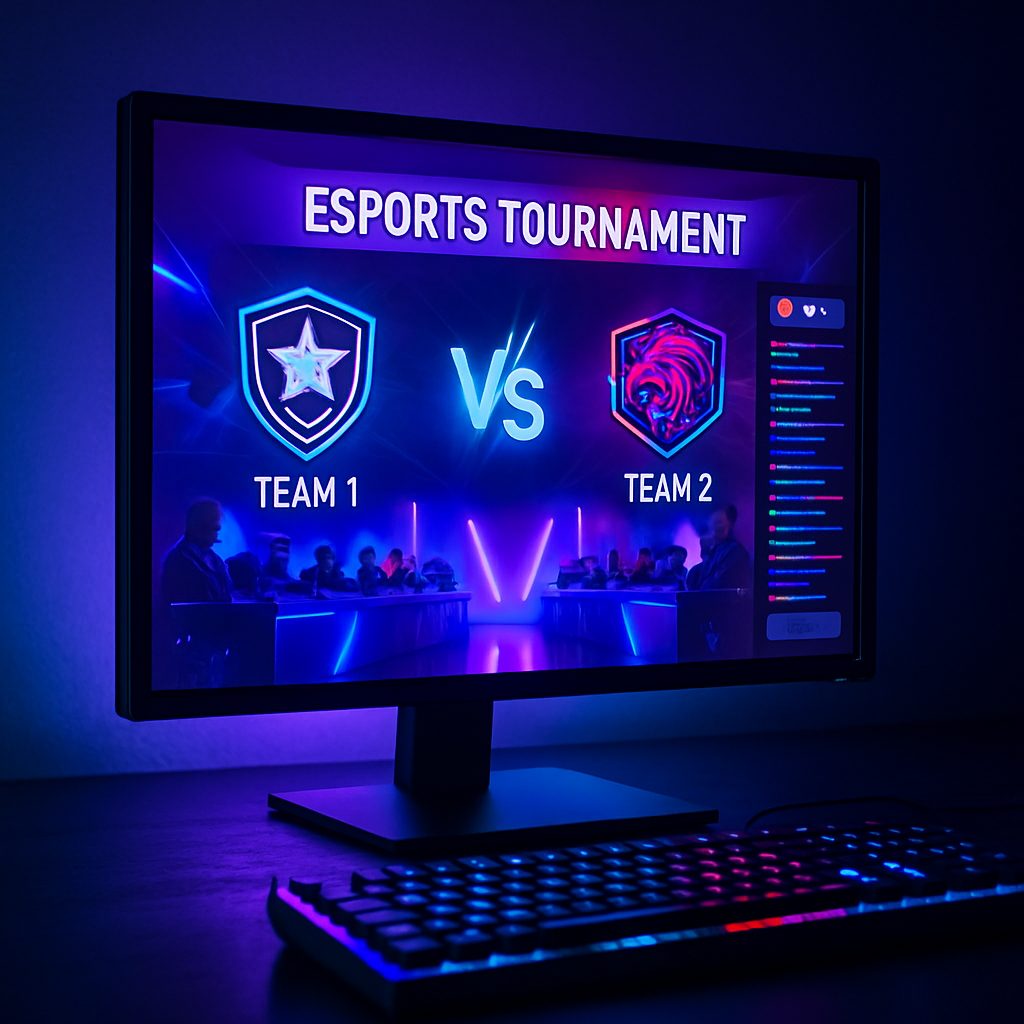
Streaming platforms have fundamentally transformed the esports ecosystem, driving significant economic impact while reshaping audience engagement and social interactions within the community. The rise of platforms like Twitch, YouTube Gaming, and Facebook Gaming has created new revenue streams for players, teams, and event organizers, stimulating the overall growth of the industry.
Economically, streaming platforms have opened avenues for monetization through subscriptions, donations, sponsorships, and advertising revenue, which have become vital sources of income for esports professionals. These platforms have democratized content creation, enabling individual streamers and smaller teams to gain visibility and financial support independently of traditional esports organizations. This economic diversification strengthens the esports ecosystem by promoting sustainability and encouraging new talent to emerge without high entry barriers.
From a social perspective, streaming platforms foster interactive environments where fans and players engage in real-time conversations, creating a sense of community and shared experience. This level of interaction has deepened fan loyalty and participation, as viewers can directly influence gameplay through chat, participate in polls, and join fan-driven initiatives. Social features embedded in these platforms also facilitate networking opportunities among industry stakeholders, further enriching the collaborative fabric of the esports ecosystem.
Audience engagement has evolved beyond passive viewership, with streaming platforms offering personalized content and on-demand viewing that cater to diverse preferences. Tools such as clipping highlights, chat overlays, and integrated alerts keep fans constantly involved and foster emotional investment in players and teams. Enhanced engagement metrics collected by these platforms provide valuable insights that help organizers tailor events and marketing strategies, boosting overall viewer retention and satisfaction.
In summary, the impact of streaming platforms on esports is multifaceted, driving economic growth, enriching social interactions, and elevating audience engagement. These changes underscore the platforms’ critical role in shaping a dynamic, inclusive, and evolving esports ecosystem, ensuring its continued expansion and relevance in the digital entertainment landscape.
Monetization and Revenue Models
Esports professionals and organizations leverage multiple revenue streams through streaming platforms to sustain and grow their operations. One of the primary monetization methods is advertising revenue, where ads are integrated into live streams or on-demand content, generating income based on viewer impressions and engagement. This method allows creators to capitalize on their audience size while ensuring the stream remains accessible to a wide range of viewers.
Sponsorships also serve as a significant revenue source in esports streaming. Brands interested in reaching the esports demographic partner with popular streamers and teams to promote their products or services. These sponsorship deals often include branded content, product placements, and exclusive promotional campaigns, thus providing both financial support and increased visibility for the esports entity.
Another critical aspect of monetization is subscriptions. Esports streamers offer subscription models through platforms such as Twitch or YouTube, enabling fans to financially support their favorite creators in exchange for exclusive perks like ad-free viewing, custom emotes, and subscriber-only chat privileges. This recurring revenue stream helps stabilize income for streamers and allows them to focus on producing high-quality content consistently.
Overall, the combination of advertising revenue, sponsorships, and subscriptions forms a robust ecosystem, empowering esports professionals and organizations to generate sustainable income while engaging their audiences effectively in the digital age.
Building Community and Fan Interaction
Streaming platforms have revolutionized fan engagement by fostering vibrant communities where players and fans can interact directly. Through interactive streams, gamers can communicate in real-time with their audience, respond to comments, and even involve fans in decision-making during gameplay. This level of interaction creates a sense of belonging and personal connection that traditional media cannot match.
Community building is at the heart of successful esports streaming. Platforms like Twitch and YouTube Gaming offer tools like chats, polls, and subscriber perks that encourage viewers to become active participants. These tools help streamers cultivate loyal fanbases who return frequently, not just for entertainment but for a shared experience. Fans feel valued and recognized, which significantly boosts retention and engagement.
Moreover, the ability to engage directly with players humanizes esports professionals, making them more relatable and enhancing fans’ emotional investment. This close interaction often results in increased fan loyalty, as supporters are more likely to follow and promote players they feel connected to. Ultimately, streaming platforms serve as powerful catalysts for building strong esports communities, ensuring sustained growth and enthusiasm in the industry.
Future Trends of Streaming in Esports

As esports continues to grow exponentially, the future trends of streaming in this industry are set to revolutionize how audiences interact with and consume competitive gaming. One of the key drivers of this evolution is the rapid advancement in streaming technology, which is enabling higher-quality broadcasts, more immersive viewing experiences, and innovative ways for fans to engage with their favorite games and players.
Looking ahead, we can expect streaming technology to incorporate more sophisticated interactive features, such as real-time statistics, multi-angle views, and augmented reality overlays that enrich the viewing experience without distracting from the main event. These innovations will create a more dynamic and personalized experience for esports enthusiasts, driving higher engagement and viewership.
Another significant future trend is the integration of artificial intelligence and machine learning in streaming platforms. These technologies will enhance content delivery by automatically highlighting key moments, providing in-depth player analytics, and customizing content recommendations based on viewer preferences. Such improvements will make esports streams more accessible and enjoyable, particularly for new fans trying to understand complex gameplay.
The rise of cloud gaming combined with streaming technology also signals a major shift in how esports tournaments will be hosted and watched. Cloud-based platforms allow for seamless, low-latency streaming across multiple devices, removing barriers related to hardware limitations and enabling a broader, more diverse audience to participate in esports culture.
Furthermore, social interaction features embedded within streaming platforms will continue to evolve. Integration with social media, chat functions, and even blockchain-based community rewards will deepen player-fan connections, fostering loyalty and sustainable ecosystems around esports franchises. This community-driven approach will be critical for the continued growth and innovation within the esports space.
In conclusion, the future of streaming in esports is poised for remarkable innovation through emerging technologies that enhance the quality, interactivity, and accessibility of broadcasts. These future trends will not only shape the consumption of esports content but also drive the broader development and mainstream acceptance of competitive gaming worldwide.
Advancements in Streaming Technology
The future of esports streaming is being revolutionized by advancements in streaming technology, particularly with the widespread adoption of 5G streaming. This next-generation mobile network technology offers significantly higher bandwidth and faster speeds, enabling seamless delivery of high-quality video content with minimal buffering. For esports fans, this means more reliable and crisp streams, even in crowded or mobile environments.
One of the most critical improvements brought by 5G is low latency streaming. Latency, or the delay between the live event and its broadcast, has always been a challenge in esports where timing and reaction speed are crucial. With 5G’s ultra-low latency capabilities, viewers experience streams that are almost instantaneous, allowing for real-time engagement and a more immersive viewing experience.
In addition to enhanced speed and latency, interactive features on streaming platforms are evolving. Innovations such as live polls, integrated chat with instant feedback, and real-time stats overlays are made possible by these technological improvements. These interactive elements deepen fan engagement by allowing viewers to participate actively during tournaments, fostering a stronger community connection.
Overall, the combination of 5G streaming, low latency, and interactive features will transform how esports content is consumed, making the experience more dynamic, responsive, and enjoyable for audiences worldwide.
Expanding Global Reach and Accessibility
Streaming platforms have played a pivotal role in expanding the global reach of esports, making the competitive gaming scene more accessible than ever before. Through live broadcasts and on-demand content, these platforms allow audiences worldwide to engage with esports events regardless of their geographic location. This accessibility is especially significant in emerging markets, where traditional broadcast infrastructure may be limited or costly.
By removing barriers to viewership, streaming platforms bring global esports tournaments straight to the screens of fans in regions previously underserved by mainstream media. This increased availability fosters a more inclusive community and encourages the growth of local esports scenes, as audiences gain exposure to high-level gameplay and industry developments.
Moreover, streaming accessibility contributes to the commercial development of esports in these emerging markets by attracting sponsorships and investments. As viewership numbers climb, stakeholders see greater potential for monetization, further fueling the infrastructure and talent development necessary to sustain competitive gaming. This virtuous cycle helps distribute esports culture and opportunities far beyond traditional hotspots.
In summary, streaming platforms are essential catalysts in the globalization of esports. By bridging gaps in access and enabling fans from diverse regions to participate, they ensure that the global esports community continues to grow vibrant and dynamic in scale and diversity.

I’ve been following competitive gaming since the early days of StarCraft, and the strategic depth behind esports betting keeps me hooked. I love breaking down match stats and odds to help readers make informed decisions while enjoying the excitement of the scene.