

Understanding Esports Player Transfers
Esports player transfers are a vital component of the competitive gaming ecosystem, influencing team dynamics, player careers, and the overall landscape of various games. Unlike traditional sports, where transfer windows are well-defined, esports operates under a more fluid system, often dictated by player contracts, team strategies, and market demands. As teams seek to enhance their rosters to achieve competitive advantages, understanding the intricacies of player transfers becomes essential for fans, analysts, and bettors alike. This article delves into the mechanisms of player transfers within the esports domain, exploring their implications for teams and betting strategies.
The Mechanics of Player Transfers
In esports, player transfers typically occur when a player moves from one team to another, often due to contract negotiations or performance-related issues. The process can involve buyouts, where a team pays a predetermined sum to release a player from their contract. For instance, a player might be signed for a multi-year deal but may be released early if their performance does not meet expectations or if a more lucrative offer comes along. This unpredictability can create a dynamic environment, making it crucial for teams to stay ahead of trends in player performance and market valuations.
Player transfers can also be influenced by the shifting landscape of esports titles. As new games rise in popularity, established players may seek opportunities in these emerging titles, leading to a cascade of transfers. For example, a seasoned player from a popular first-person shooter may move to a newly released battle royale game, prompting their current team to recruit new talent to fill the void. This interconnectedness highlights the importance of scouting and recruitment strategies in maintaining a competitive edge.
Financial Implications of Transfers
The financial aspects of player transfers in esports can be significant, especially for top-tier teams. Transfer fees can vary dramatically based on the player’s market value, which is influenced by factors such as individual performance, popularity, and the player’s historical achievements. According to industry estimates, top players can command transfer fees in the hundreds of thousands, or even millions, of dollars. This financial landscape impacts how teams allocate their budgets and make strategic decisions regarding player acquisitions and salary negotiations.

Moreover, the increasing presence of sponsorships and endorsements in esports has also changed the way player transfers are viewed from a financial perspective. Players with strong personal brands can attract lucrative sponsorship deals, making them more valuable to their teams. As a result, organizations are now more willing to invest in players who not only excel in gameplay but also have the potential to enhance the team’s marketability. This trend underscores the multifaceted nature of player transfers, where on-field performance is just one of many considerations.
Impact on Team Dynamics
When a player transfers to a new team, the impact on team dynamics can be profound. New players bring different playstyles, communication methods, and personalities, which can either enhance or disrupt existing team chemistry. Successful integration often requires careful management by team leaders and coaching staff, who must ensure that new players align with the team’s strategic vision and culture. For example, a highly skilled player who excels individually may not always mesh well with a team that prioritizes teamwork and collaborative strategies.
Furthermore, the arrival of a high-profile player can shift the balance of power within a team. Existing players may feel pressure to perform at higher levels or may even face challenges regarding their positions. Coaches play a critical role in navigating these transitions, often employing strategies to foster collaboration and mitigate any potential conflicts. This aspect of player transfers is especially relevant in esports, where mental health and team morale can significantly influence performance outcomes.
Player Agency and Contract Negotiations
As the esports industry matures, player agency has become increasingly prominent in transfer discussions. Players now have more leverage in contract negotiations, allowing them to seek better terms or explore opportunities with different teams. This shift reflects a growing awareness among players of their market value and the importance of career longevity. Many players now hire agents or managers to navigate the complexities of contract negotiations, ensuring they receive fair compensation and favorable conditions.
Additionally, the rise of social media has empowered players to communicate directly with fans and teams, influencing transfer narratives. Players can use platforms like Twitter and Twitch to showcase their skills, build personal brands, and express their desires for transfers. This new level of visibility has led to a more transparent transfer process, where fans are often privy to negotiations and potential moves, creating excitement and speculation within the community.
Betting Implications of Player Transfers
For esports bettors, player transfers can significantly impact betting odds and strategies. When a high-profile player joins a team, it often leads to a shift in public perception and betting lines. Bookmakers may adjust odds based on the perceived increase in a team’s competitiveness, influencing how bettors approach upcoming matches. Understanding the implications of player transfers can provide bettors with an edge in predicting outcomes, especially when new rosters are announced shortly before major tournaments.
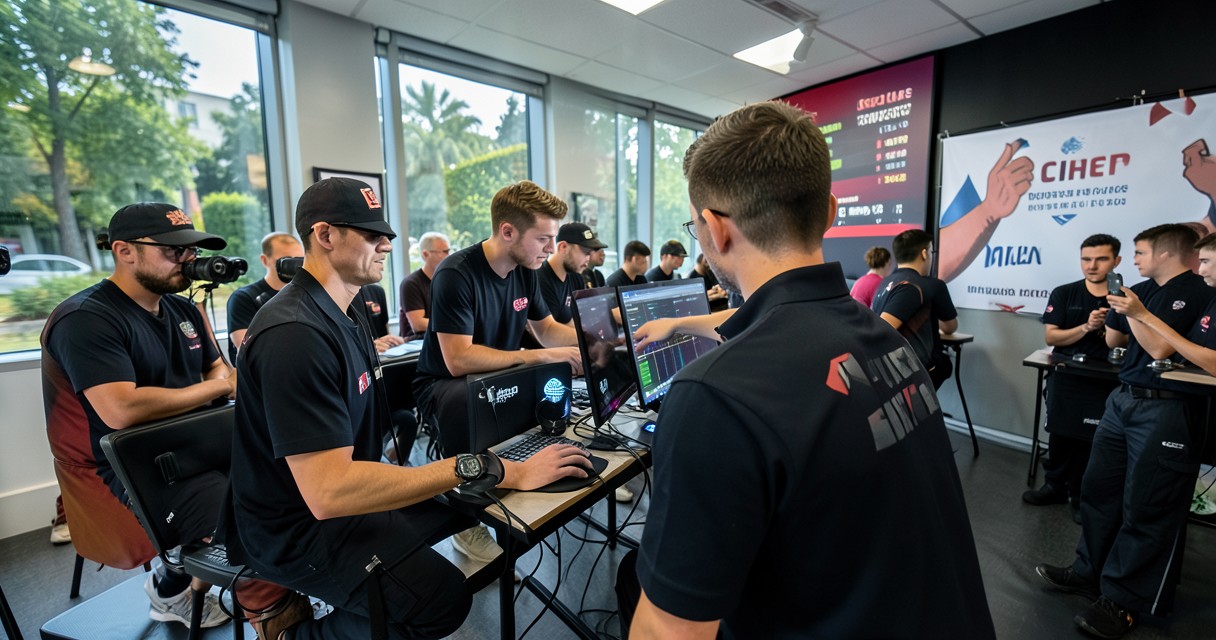
Moreover, bettors should consider how player transfers affect team synergy and performance. A team with a newly acquired star player may initially struggle to find their footing, leading to unexpected match results. This volatility can present opportunities for savvy bettors who are willing to take calculated risks. Keeping an eye on roster changes and understanding the context behind these moves can enhance betting strategies and improve the chances of successful wagers.
Challenges and Controversies in Player Transfers
While player transfers can be exciting, they are not without challenges and controversies. Disputes over contract terms, buyouts, and player conduct can lead to public relations issues and legal battles. For instance, a player may feel they were unfairly treated during negotiations, leading to disputes that can tarnish a team’s reputation. Additionally, the lack of standardized regulations governing player contracts can result in misunderstandings and conflicts, complicating the transfer process.
Furthermore, the rapid pace of player transfers can create instability within teams, leading to concerns about the long-term viability of rosters. Frequent changes can disrupt team chemistry and hinder the development of cohesive strategies. As the esports industry continues to grow, addressing these challenges will be essential for maintaining a healthy competitive environment and ensuring that player transfers contribute positively to the overall ecosystem.

I’ve been following competitive gaming since the early days of StarCraft, and the strategic depth behind esports betting keeps me hooked. I love breaking down match stats and odds to help readers make informed decisions while enjoying the excitement of the scene.