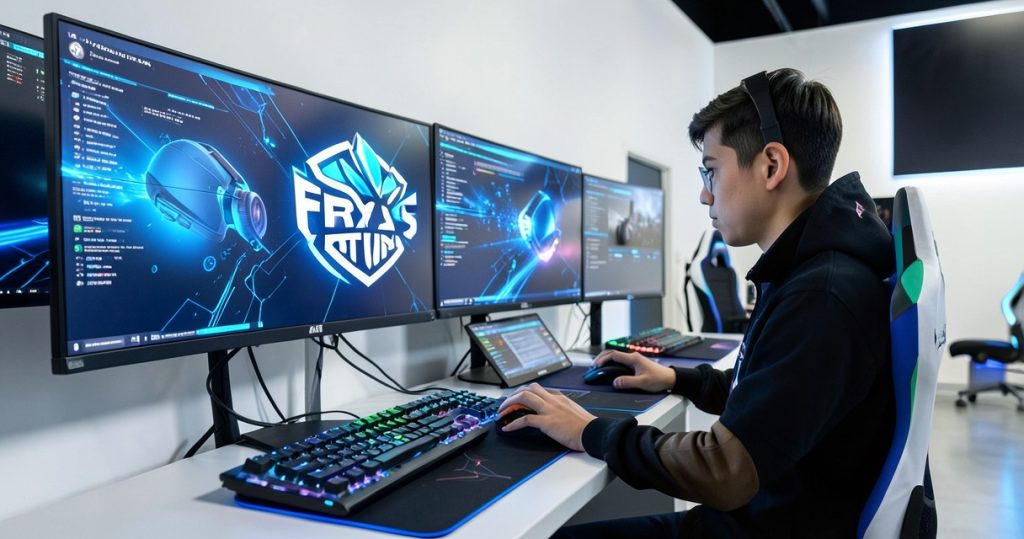
The operation of esports organizations is a complex and multifaceted endeavor that involves various elements, from team management to marketing strategies, sponsorships, and event participation. As the esports industry continues to grow exponentially, understanding how these organizations function becomes increasingly important, especially for those interested in betting on esports. This article explores the inner workings of esports organizations, examining their structure, revenue streams, player management, and the critical role of sponsorships and partnerships.
Organizational Structure of Esports Teams
Esports organizations typically follow a hierarchical structure that mirrors traditional sports teams. At the top, you have the owners and executives who make strategic decisions regarding the team’s direction and vision. Below them are team managers responsible for day-to-day operations, including player recruitment, contracts, and overall team welfare. Coaches play a vital role in training and strategizing, while analysts provide data-driven insights to enhance performance. This structure ensures that each aspect of the organization is managed effectively, allowing the team to focus on competition.
Moreover, many esports organizations have expanded their rosters to include multiple teams across different games. For instance, a single organization may have teams for League of Legends, Dota 2, and Counter-Strike: Global Offensive. This diversification not only broadens their audience but also increases their potential revenue streams through various tournaments and sponsorships. Managing multiple teams requires sophisticated coordination and communication to ensure that resources are allocated efficiently and that each team receives the necessary support.
Revenue Streams in Esports Organizations
Esports organizations generate revenue from various sources, which are crucial for their sustainability and growth. One of the primary revenue streams is sponsorship. Major brands across different industries, from technology to energy drinks, invest in esports teams to reach the vast and engaged audience that follows competitive gaming. Sponsorship deals can range from a few thousand dollars to millions, depending on the team’s popularity and the scope of the partnership.
In addition to sponsorships, esports organizations earn money through merchandise sales, which can include team jerseys, branded accessories, and even digital goods. Merchandise not only provides a revenue source but also helps build a community around the team, fostering loyalty among fans. Furthermore, prize money from tournaments can significantly contribute to an organization’s financial health. Major tournaments can have prize pools in the millions, allowing winning teams to earn substantial rewards that can be reinvested into the organization.
Player Management and Development
Managing players is a critical aspect of esports organizations. Recruitment involves scouting talent through online platforms, tournaments, and even grassroots competitions. Once players are signed, organizations focus on their development, which includes training regimens, mental health support, and performance analysis. Many organizations employ psychologists and nutritionists to ensure players are at their best physically and mentally.

Contracts are another vital part of player management. These agreements outline salaries, responsibilities, and performance incentives, which can motivate players to excel. However, player retention can be challenging, as top talent is often sought after by multiple organizations. Therefore, teams must create an environment that promotes growth and satisfaction to keep their players committed and engaged.
The Role of Sponsorships and Partnerships
Sponsorships and partnerships are essential for the financial health of esports organizations. Companies partner with teams to leverage their visibility and connect with a younger demographic that is often difficult to reach through traditional advertising. These partnerships can take various forms, including product placements, branded content, and exclusive deals for merchandise sales.
Esports organizations often engage in co-marketing initiatives with their sponsors, creating campaigns that resonate with fans while promoting the sponsor’s products. This mutually beneficial relationship enhances brand recognition and can lead to increased sales for sponsors while providing financial support for the teams. As the esports ecosystem evolves, the nature of these partnerships is likely to become even more innovative, as both parties seek to maximize their reach and impact.
Event Participation and Travel Management
Participating in tournaments is a core function of esports organizations, as it provides opportunities for exposure, competition, and revenue. However, managing travel logistics for players and staff can be a daunting task. Organizations must coordinate flights, accommodations, and local transportation for events that may be held across the globe. This requires careful planning and budgeting to ensure that expenses do not outweigh potential earnings from tournament participation.
Many organizations have dedicated travel managers who oversee these logistics, ensuring that teams arrive at events rested and prepared. They must also consider factors such as time zone changes and local conditions when scheduling practices and preparation. The ability to manage travel efficiently can significantly impact a team’s performance, making this aspect of operations crucial to success in the competitive landscape of esports.
Marketing Strategies for Esports Organizations
Effective marketing strategies are vital for esports organizations to attract fans, sponsors, and new players. Social media platforms like Twitter, Instagram, and TikTok are commonly used to engage with fans, share highlights, and promote upcoming events. Content creation, including live streams and video highlights, plays a significant role in building a brand presence and fostering a community around the team.
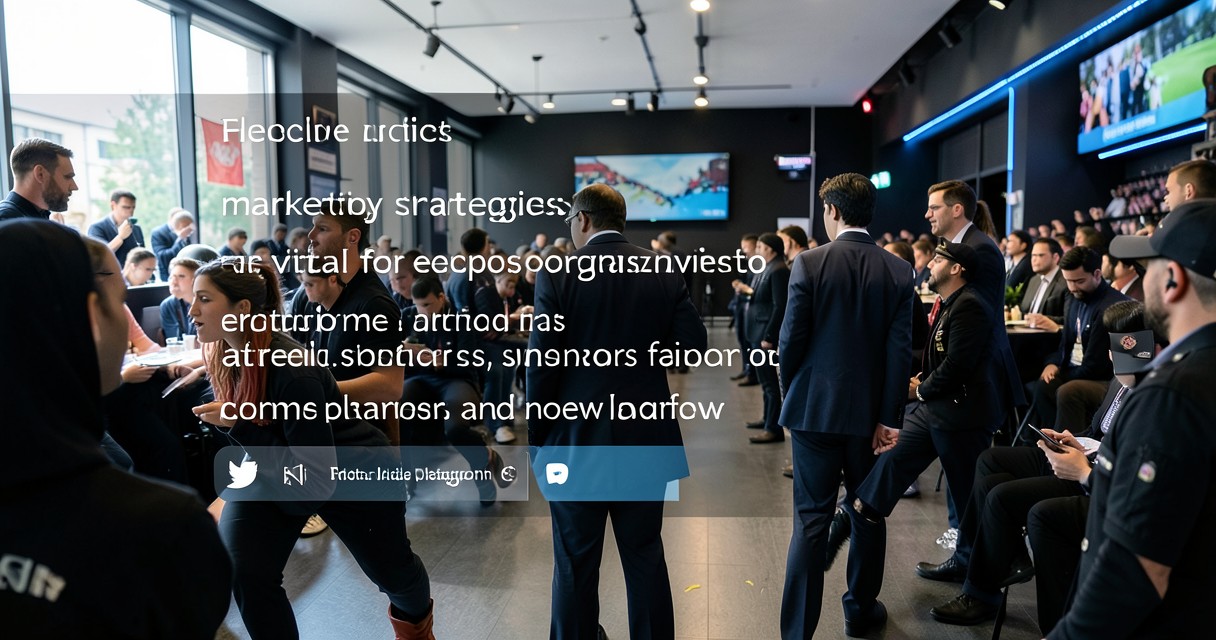
Esports organizations often collaborate with influencers and content creators to expand their reach. By partnering with popular streamers or YouTubers, teams can tap into their audiences and enhance brand visibility. Additionally, hosting fan events and participating in community activities can strengthen the relationship between organizations and their supporters, creating a loyal fan base that is essential for long-term success.
Legal Considerations and Compliance in Esports
As esports continues to grow, legal considerations become increasingly important for organizations. This includes compliance with contracts, intellectual property rights, and regulations governing player conduct. Organizations must ensure that contracts with players and sponsors are clear and enforceable to avoid disputes that could harm their reputation and financial stability.
Moreover, as esports betting gains popularity, organizations must navigate the complexities of gambling regulations. This includes ensuring that their activities comply with laws in various jurisdictions, which can vary significantly. Organizations may need to work with legal experts to develop policies that protect their interests while adhering to industry standards and regulations.

I’ve been following competitive gaming since the early days of StarCraft, and the strategic depth behind esports betting keeps me hooked. I love breaking down match stats and odds to help readers make informed decisions while enjoying the excitement of the scene.