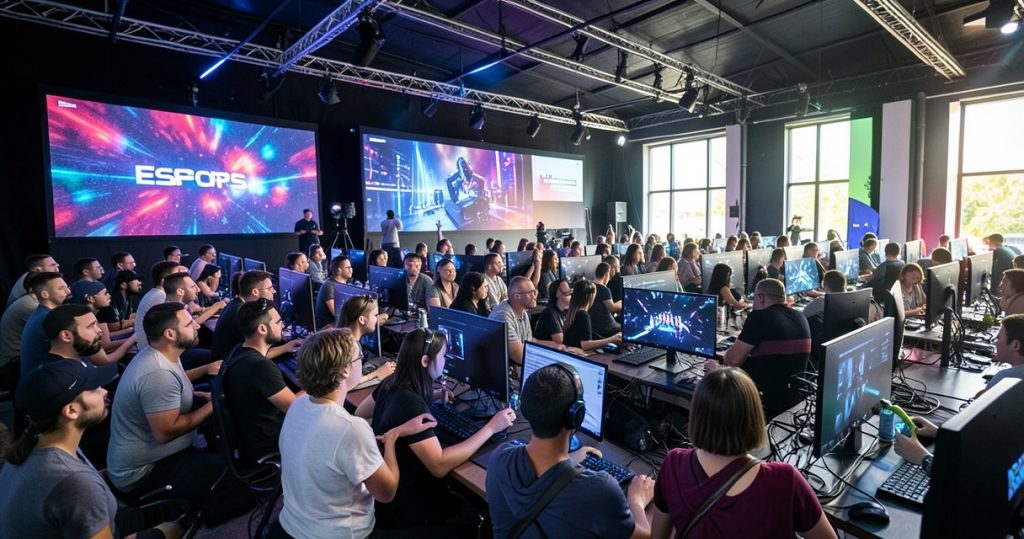
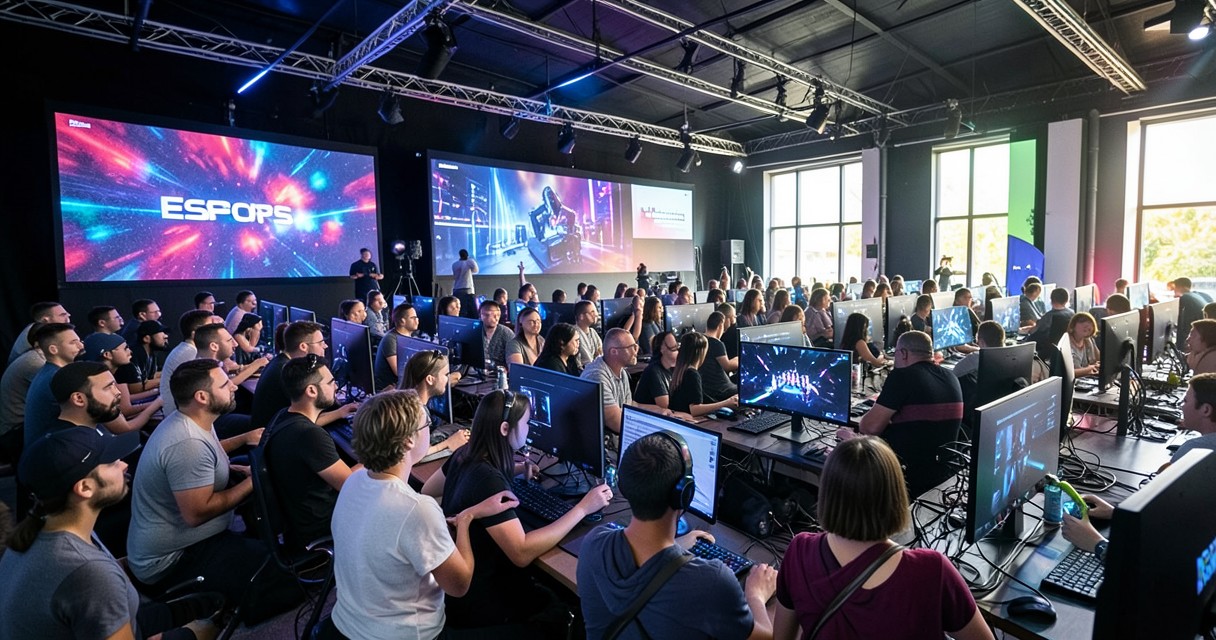
Esports has transformed from a niche hobby into a multi-billion dollar industry, captivating millions of viewers worldwide. As the competitive gaming sector continues to grow, understanding viewership statistics becomes essential for stakeholders, including teams, sponsors, and betting platforms. This article delves into the current state of esports viewership, exploring key statistics, trends, and implications for the betting market.
Current Esports Viewership Statistics
In recent years, esports viewership has skyrocketed, with platforms like Twitch and YouTube Gaming leading the charge. According to recent data, esports viewership reached approximately 500 million unique viewers in 2023, a significant increase from previous years. This surge can be attributed to the rise of popular games such as League of Legends, Dota 2, and Counter-Strike: Global Offensive, which consistently attract large audiences during tournaments. Major events like The International and the League of Legends World Championship have reported peak viewership numbers exceeding 3 million concurrent viewers, highlighting the immense popularity of competitive gaming.
The audience demographics also reveal interesting insights. A significant portion of esports viewers falls within the 18-34 age range, making it an attractive target for advertisers and betting companies. Furthermore, studies indicate that around 70% of esports viewers are male, although the female audience is steadily increasing. This demographic information is crucial for betting platforms looking to tailor their marketing strategies and offerings to appeal to this engaged audience.
Popular Games and Their Impact on Viewership
Different esports titles attract varying viewer numbers, largely influenced by their gameplay mechanics, community engagement, and competitive structure. League of Legends remains at the forefront, consistently drawing millions during its annual World Championship. In 2023, the event garnered over 140 million total views, showcasing its dominance. Other games like Valorant and Fortnite have also carved out substantial audiences, contributing to the overall growth of esports viewership.
The impact of these games on viewership extends to the betting landscape as well. Games with higher viewership often attract more betting activity, as fans are more likely to engage with betting platforms that offer odds and markets for popular titles. For example, during high-stakes tournaments for League of Legends, betting volumes can increase dramatically, reflecting the heightened interest from fans eager to wager on their favorite teams.
Regional Variations in Esports Viewership
Esports viewership is not uniform across the globe; different regions exhibit distinct trends and preferences. North America and Europe are among the leading regions in terms of viewership numbers, driven by established esports leagues and a robust gaming culture. In Asia, particularly in countries like South Korea and China, esports has achieved a level of cultural significance akin to traditional sports. The Chinese esports market, in particular, is booming, with millions tuning in to watch local leagues and international tournaments.
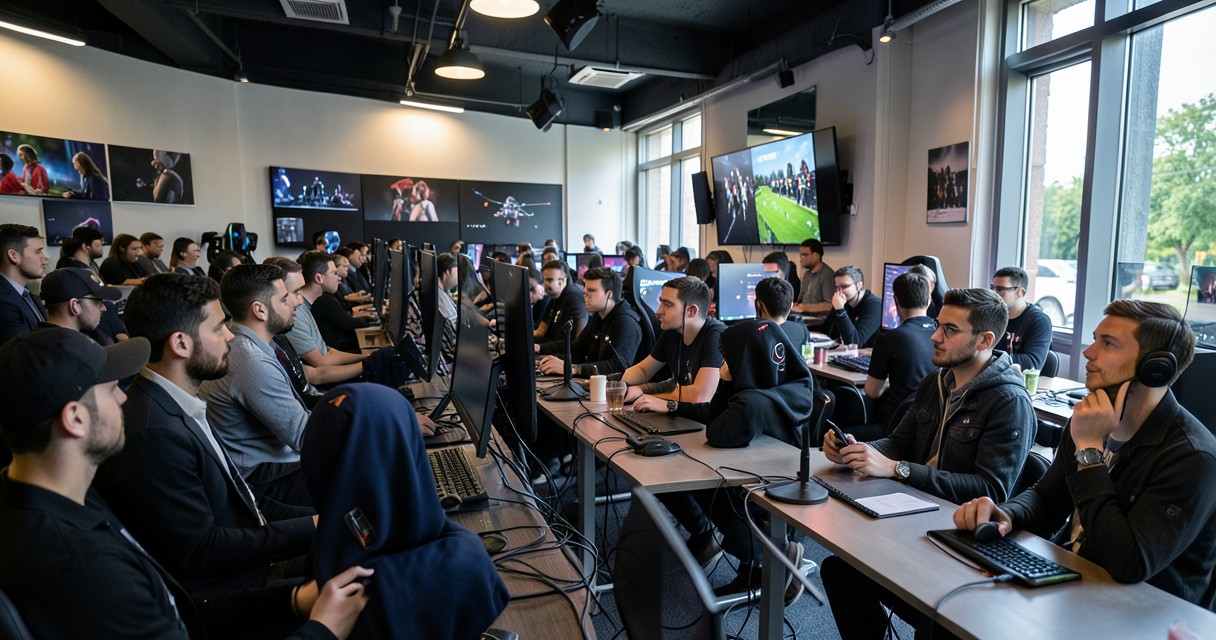
These regional variations present unique opportunities for betting companies. Understanding local preferences can help platforms tailor their offerings, including specific games, betting markets, and promotional strategies. For instance, in markets where games like Dota 2 are particularly popular, betting platforms might focus on providing comprehensive coverage of Dota 2 tournaments to attract local bettors.
The Role of Streaming Platforms in Viewership Growth
Streaming platforms have played a pivotal role in driving esports viewership. Twitch remains the most dominant platform, accounting for a significant share of total esports viewership hours. In 2023, Twitch recorded over 1.5 billion hours of esports content watched, demonstrating its influence in shaping viewer habits. YouTube Gaming is also gaining traction, with events like the Call of Duty League drawing substantial audiences.
The accessibility of these platforms allows fans to engage with content more easily, which is vital for the growth of esports. As more viewers tune in, betting companies have the opportunity to partner with these platforms for advertising and promotional activities. Integrating betting options directly into streaming services could further enhance viewer engagement, creating a seamless experience for fans who wish to place bets while watching live events.
Viewer Engagement and Interaction
Engagement levels among esports viewers are notably high, with many fans actively participating in chats, polls, and social media discussions during live streams. This interaction not only enhances the viewing experience but also provides valuable data for betting companies. Understanding viewer sentiment can help platforms adjust their odds and betting offerings in real time. For example, if a significant number of viewers express confidence in a particular team during a match, betting platforms might consider adjusting their odds to reflect this sentiment.
Additionally, the rise of interactive betting formats, such as live betting, aligns well with the engagement levels seen in esports viewership. Fans who are actively watching and discussing matches are more likely to engage in live betting, which can increase the overall betting volume during events. This synergy between viewer engagement and betting activity presents a compelling opportunity for both esports and betting platforms.
Challenges and Future Trends in Esports Viewership
Despite the impressive growth of esports viewership, several challenges remain. Issues such as viewer fatigue, competition from traditional sports, and the need for regulatory clarity in betting can impact future growth. As esports continues to evolve, maintaining viewer interest will be crucial. This may involve diversifying content, enhancing production quality, and fostering community engagement through innovative formats.

Looking ahead, trends such as virtual reality (VR) and augmented reality (AR) could revolutionize the viewing experience. These technologies have the potential to create immersive environments where viewers can engage with the game on a whole new level. Betting platforms that adapt to these trends may find themselves at the forefront of a new wave of viewer engagement, further integrating betting into the esports experience.
The Impact of Sponsorship and Advertising on Viewership
Sponsorships and advertising play a significant role in shaping esports viewership. Major brands are increasingly investing in esports, recognizing its potential to reach younger audiences. Sponsorship deals not only provide financial support for tournaments but also enhance the visibility of esports events. This influx of sponsorship money can lead to improved production quality, bigger prize pools, and more engaging content, all of which can attract larger audiences.
For betting companies, aligning with popular esports events and teams offers a unique marketing avenue. By sponsoring tournaments or partnering with well-known teams, betting platforms can increase their brand awareness among esports fans. This strategy not only drives traffic to their platforms but also positions them as key players in the evolving landscape of esports betting.

I’ve been following competitive gaming since the early days of StarCraft, and the strategic depth behind esports betting keeps me hooked. I love breaking down match stats and odds to help readers make informed decisions while enjoying the excitement of the scene.