Overview of LAN and Online Events
LAN events and online events represent two fundamental types of gatherings in the realm of competitive gaming and digital entertainment. Each offers unique experiences shaped by their distinct formats—physical versus digital. Understanding these event types is essential for participants, organizers, and fans alike as they navigate the evolving landscape of esports and gaming culture.
LAN events, short for Local Area Network events, are physical gatherings where participants connect their computers or gaming consoles to a localized network in a shared venue. The core characteristic of LAN events is their in-person nature, fostering direct social interaction, instant communication, and real-time competition among attendees. These events range from smaller community meetups to major international tournaments hosted in large arenas. The appeal of LAN events lies in their atmosphere, which often energizes players and spectators through the palpable excitement of shared space and live audience engagement.
On the other hand, online events, as the name suggests, take place entirely over the internet. Participants compete from remote locations, connecting digitally via various online platforms. Online events have grown tremendously popular due to their accessibility and convenience, removing the need for travel and physical presence. They enable global participation, breaking geographical barriers and expanding the pool of competitors. This digital format facilitates a broader range of event sizes, from casual community tournaments to professionally broadcasted competitions with large prize pools.
While LAN events emphasize physical presence and social interaction, online events highlight the advantages of technology and connectivity, underscoring the shift toward digital-first experiences in modern gaming culture. Both event types have contributed significantly to the popularity of esports, each offering distinct benefits that cater to different preferences within the gaming community. Understanding their general characteristics helps clarify why both LAN and online events continue to thrive side by side, shaping the future of competitive gaming.
In summary, LAN events provide the excitement of live, face-to-face competition with immediate player connections, while online events prioritize accessibility and inclusivity through digital platforms. Appreciating the differences between these physical and digital event types enriches one’s insight into the dynamic world of gaming and esports, acknowledging why both formats remain integral to the industry’s growth and popularity.
What is a LAN Event?
A LAN event, short for Local Area Network event, is a type of gaming event where participants gather in a physical location to connect their computers or gaming consoles via a local network. Unlike online events where players compete remotely over the internet, LAN events create a direct, high-speed connection between devices, minimizing latency and providing a more immersive and responsive gaming experience. These offline events foster face-to-face interactions among players, making them popular venues for both casual and competitive gaming communities.
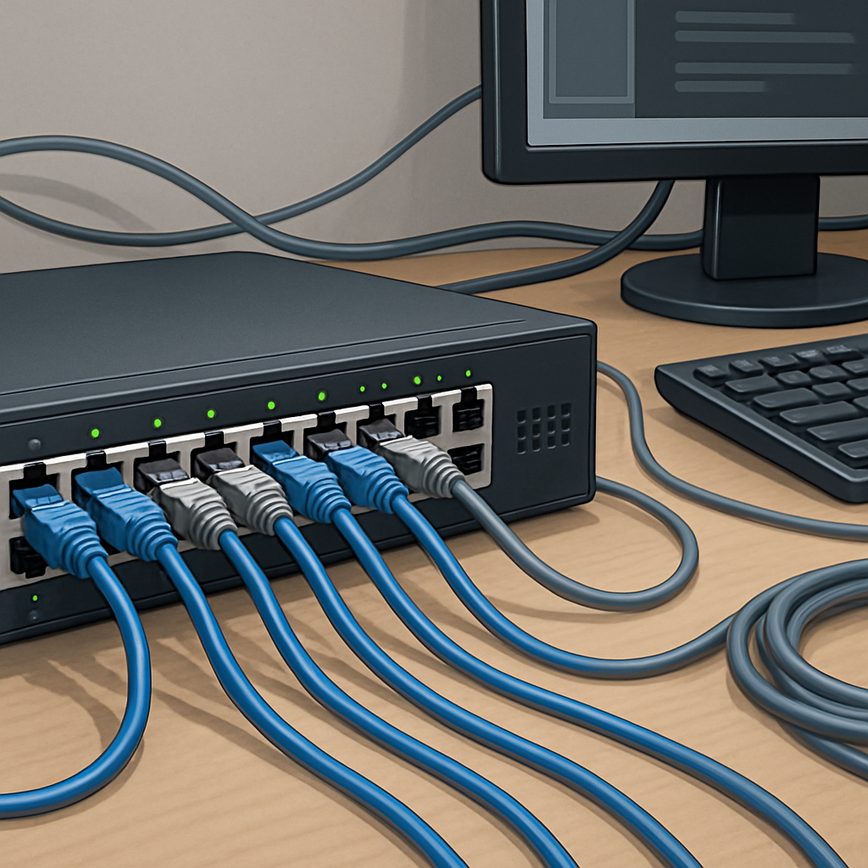
Setting up a LAN event involves organizing a venue equipped with the necessary infrastructure such as reliable local area network hardware, power supplies, seating arrangements, and high-speed internet access for streaming or updates. Participants bring their own gaming rigs or consoles, which are then linked to the local network through switches and routers controlled by the event organizers. The environment is typically filled with the buzz of excitement, camaraderie, and real-time communication, which enhances the overall gaming atmosphere.
Popular examples of LAN gatherings include DreamHack, one of the world’s largest digital festivals and LAN parties, and ESL LAN events, where professional gamers compete in tournaments. These offline events often feature multiplayer games such as Counter-Strike, StarCraft, and League of Legends. LAN events remain a cherished format for gamers who value direct interaction and the thrill of competing side-by-side with friends or rivals in the same physical location.
What is an Online Event?
An online event, also known as a virtual event or internet event, is a gathering that takes place over the internet rather than in a physical location. These digital gatherings have become increasingly popular as they allow participants from all over the world to connect, interact, and collaborate without the need to travel. Online events can range from webinars and workshops to conferences, concerts, and social meetups, all hosted on virtual platforms designed to replicate or enhance the live experience.
Typically, online events are hosted on specialized platforms such as Zoom, Microsoft Teams, Google Meet, or event-specific tools like Hopin and Airmeet. These platforms provide various interactive features including chat rooms, Q&A sessions, live polls, breakout rooms, and virtual networking lounges. This interactivity is a key component that distinguishes online events from passive video streaming, enabling participants to actively engage with speakers, presenters, and other attendees.
Hosting online events also involves the use of digital tools for registration, promotion, and analytics to measure attendee engagement. The convenience and flexibility of online events make them accessible to a broad audience, reducing costs and logistical barriers. As a result, virtual events have become a vital part of business, education, entertainment, and social communities worldwide.
Key Differences Between LAN and Online Events
When comparing LAN vs online events, understanding the major differences in setup, engagement, technology, and overall experience is crucial. These two event types offer distinct advantages and challenges that impact how participants and audiences interact and enjoy the event.
Setup is one of the most significant differences between LAN and online events. LAN events require physical venues equipped with networking infrastructure, hardware setups, and on-site technical support. This makes the initial organization more complex and often costly. In contrast, online events rely on virtual platforms, meaning organizers only need to ensure stable internet connectivity and compatible software. This digital setup is more flexible and accessible but depends heavily on individual participants’ home equipment and internet quality.
The level of engagement also varies notably between these event types. LAN events foster a high degree of direct social interaction since players and spectators share the same physical space, creating a vibrant atmosphere that enhances the competitive spirit. This face-to-face interaction often leads to more spontaneous networking opportunities and memorable experiences. Online events, while lacking physical presence, provide broad accessibility and convenience, allowing a larger and more diverse audience to participate or spectate from anywhere worldwide. Engagement occurs through online chats, streams, and interactive features, but it can feel less personal and immersive compared to LAN events.
In terms of technology, LAN events demand robust local area networks and high-performance hardware to minimize latency and ensure smooth gameplay in a controlled environment. Technical issues, when they arise, can often be resolved on-site quickly. Online events, however, hinge on internet stability and digital platforms’ reliability. Latency, connectivity interruptions, and varying hardware capabilities among participants can impact performance and viewer experience. Organizers must also implement more rigorous measures to prevent cheating and maintain fair play online.
The overall experience is shaped largely by these factors. LAN events deliver a tangible, high-energy experience with palpable crowd reactions and direct interaction, appealing to those who value communal and sensory involvement. Online events, on the other hand, prioritize accessibility and convenience, providing opportunities for larger global participation and often more extensive live streaming coverage. This event comparison highlights how the differences between LAN and online events affect not only logistics but also the essence of how audiences and participants connect and enjoy the competitions.
Technological Requirements and Setup
The technological requirements and setup for LAN and online events vary significantly due to their different environments. LAN events demand robust hardware, including high-performance computers or gaming consoles, reliable routers, and switches to create a fast and stable local network. This setup minimizes latency and ensures seamless communication between devices, which is critical for real-time gameplay. Organizers often need to set up dedicated servers or local game hosts to manage connections efficiently within the physical venue.
On the other hand, online events primarily depend on high-speed internet connectivity for all participants since the network setup spans a wider geographical range. Each player requires their own hardware setup, including a computer or console capable of handling the game and streaming if needed, alongside a stable internet connection with sufficient bandwidth to prevent lag and disconnections. The event organizers must ensure that the game servers are hosted on reliable cloud platforms or data centers to accommodate multiple remote connections.
While LAN events focus on local network optimization with physical hardware setups, online events emphasize internet infrastructure quality and hosting solutions. Both require thorough technology planning and setup adjustments to provide a smooth and competitive environment for players. Understanding these fundamental differences helps organizers prepare adequately for the unique challenges each event type presents.
Social Interaction and Engagement
Social interaction and engagement vary significantly between LAN and online events, profoundly shaping the player experience. At LAN events, communication is direct and face-to-face, offering an immersive environment where players can engage in real-time conversations, body language cues, and spontaneous reactions. This immediacy fosters deeper connections and more natural networking benefits, allowing participants to build friendships, alliances, and rivalries beyond the gameplay itself.
In contrast, online events rely heavily on digital communication tools such as voice chat, text messaging, and video calls. While these platforms facilitate gameplay coordination and social interaction, the experience can feel less personal and sometimes hindered by technical issues like lag or connectivity problems. Engagement in online settings often requires more effort to maintain active communication and camaraderie, with players needing to be intentional about building relationships without the advantage of physical presence.
Ultimately, both LAN and online events offer valuable social interaction opportunities but through different communication styles. LAN events naturally enhance social bonding by allowing players to engage holistically, while online events broaden access and convenience but depend more on digital communication skills. These differences impact the overall player experience and shape the way communities form and thrive within each event type.
Cost, Accessibility, and Convenience
When comparing LAN and online events, cost is one of the most significant differences. LAN events usually require participants to travel to a physical location, which can add substantial expenses such as transportation, accommodation, and meals. These costs can sometimes deter casual players or smaller teams from participating. In contrast, online events eliminate travel expenses, making them more budget-friendly for a wider range of participants.
Accessibility also varies greatly between the two formats. Online events can be accessed from virtually anywhere with a stable internet connection, allowing participants from diverse geographical locations to join easily. This inclusivity broadens the pool of competitors and audiences. On the other hand, LAN events require physical presence, which may limit accessibility for those with logistical or financial constraints, but they often offer a richer social experience and unique atmosphere that online platforms cannot replicate.
Convenience plays a crucial role in deciding the format for many participants. Online events provide the convenience of competing from home or preferred settings without the need for packing or extensive preparation. They also offer flexible scheduling options in many cases. LAN events demand more commitment in terms of time and effort but compensate by delivering an immersive and direct engagement with both the game and the community. Ultimately, the differences in cost, accessibility, and convenience highlight the trade-offs participants must consider when choosing between LAN and online events.
Choosing the Right Event Type for You
When it comes to making an event choice between LAN and online formats, it’s important to weigh the unique benefits and decision factors associated with each. Your choice will depend largely on your personal preferences, goals, and logistical considerations.
For those who thrive in social environments and seek immersive, face-to-face interactions, LAN events often provide unparalleled benefits. The atmosphere of being physically present with other participants can enhance networking opportunities, foster stronger community connections, and create memorable experiences. Additionally, LAN events typically offer more reliable and faster connectivity, which is crucial for competitive gaming or activities that require minimal latency.
On the other hand, online events offer convenience and accessibility. They remove geographical barriers, allowing participants from all over the world to join without the need for travel. This flexibility is ideal for individuals who have time constraints or prefer to participate from the comfort of their own space. Online events also tend to be more cost-effective, eliminating expenses related to venue rental, travel, and accommodation.
In deciding between LAN vs online, consider your event goals. Are you prioritizing high-level competition, networking, or community experiences? Or are cost and convenience your main drivers? For organizers, understanding your audience and their preferences is key to delivering an event that maximizes engagement and satisfaction.
Ultimately, there is no one-size-fits-all answer. Evaluate your needs carefully, keeping in mind the trade-offs between the immersive nature of LAN events and the flexible, inclusive appeal of online gatherings. By balancing these decision factors, you can choose the best event type to ensure a successful and enjoyable experience for everyone involved.
Factors to Consider When Choosing
When deciding between LAN and online events, it is essential to evaluate several key event factors to ensure the best fit for your preferences, goals, and audience. One of the first considerations is the audience size. LAN events typically accommodate a limited number of attendees due to venue constraints, making them ideal for smaller, more intimate gatherings. On the other hand, online events can host a virtually unlimited audience, providing broader reach and accessibility.
Budget is another critical factor. LAN events often require higher upfront costs, including venue rental, equipment setup, and logistics. Meanwhile, online events generally have lower operational expenses but may need investment in reliable streaming platforms and technology infrastructure.
Location plays a significant role in your decision-making process. For a LAN event, you must consider geographic accessibility for your target audience, which can limit attendance if travel is required. Online events bypass these barriers, allowing participants from different regions and time zones to join with ease.
Finally, interaction preferences are crucial. LAN events offer direct, face-to-face communication and networking opportunities, which can enhance participant engagement and create a strong sense of community. In contrast, online events rely on digital communication tools, which may limit spontaneous interactions but provide flexibility through chat features, polls, and breakout rooms.
By carefully weighing these factors—audience size, budget, location, and interaction preferences—you can select the event type that best aligns with your goals and ensures a successful experience for your audience.
Benefits of LAN Events
LAN benefits extend far beyond the convenience of an offline setting, offering participants unique and valuable experiences. One of the most significant advantages of offline events is the unparalleled local networking opportunities they provide. Attendees have the chance to meet and interact face-to-face with like-minded individuals, industry professionals, and potential collaborators, an aspect that is often limited in online environments.
Another noteworthy benefit of LAN events is the immersive experience they foster. Being physically present in a shared space, surrounded by players and fans, heightens the sense of community and excitement. This immersive environment enhances engagement, making competitions feel more intense and rewarding compared to virtual events. The sensory experience—sounds of keyboards clicking, live commentary, and immediate reactions—creates a dynamic atmosphere that online events cannot replicate.
Furthermore, LAN benefits include reduced latency and improved connectivity, which ensure smooth gameplay and fair competition. Offline events often boast robust technical setups designed specifically for gaming, minimizing disruptions and maximizing performance. These factors together make LAN events not only more enjoyable but also more competitive and professional.
Ultimately, the advantages of LAN events lie in their ability to bring communities together physically, create immersive and engaging environments, and foster meaningful local networking. These offline events continue to be an essential aspect of the gaming and esports landscape, valued for the unique experiences they offer beyond what online platforms can provide.
Benefits of Online Events
Online events offer numerous advantages that set them apart from traditional in-person gatherings. One of the most significant online benefits is global access. Virtual events allow participants from all around the world to join without the limitations of travel, making it easier to connect with diverse audiences and experts regardless of their physical location.
Another key merit of online events is the ease of attendance. Participants can join from the comfort of their homes or workplaces without worrying about commuting, accommodation, or time-consuming logistics. This convenience reduces barriers to participation and increases overall engagement, making it possible for more people to benefit from the content and networking opportunities offered.
Flexibility is also a crucial advantage of virtual events. Many online platforms provide options to access sessions live or on-demand, allowing attendees to tailor their schedules according to their needs and preferences. This flexibility enhances the overall experience by accommodating different time zones and personal commitments, which is especially important for global audiences.
In summary, the benefits of online events include unparalleled global access, the convenience and ease of attendance, and the flexibility to participate in ways that best suit individual circumstances. These factors contribute to the growing popularity and effectiveness of virtual events in today’s interconnected world.

I’ve been following competitive gaming since the early days of StarCraft, and the strategic depth behind esports betting keeps me hooked. I love breaking down match stats and odds to help readers make informed decisions while enjoying the excitement of the scene.