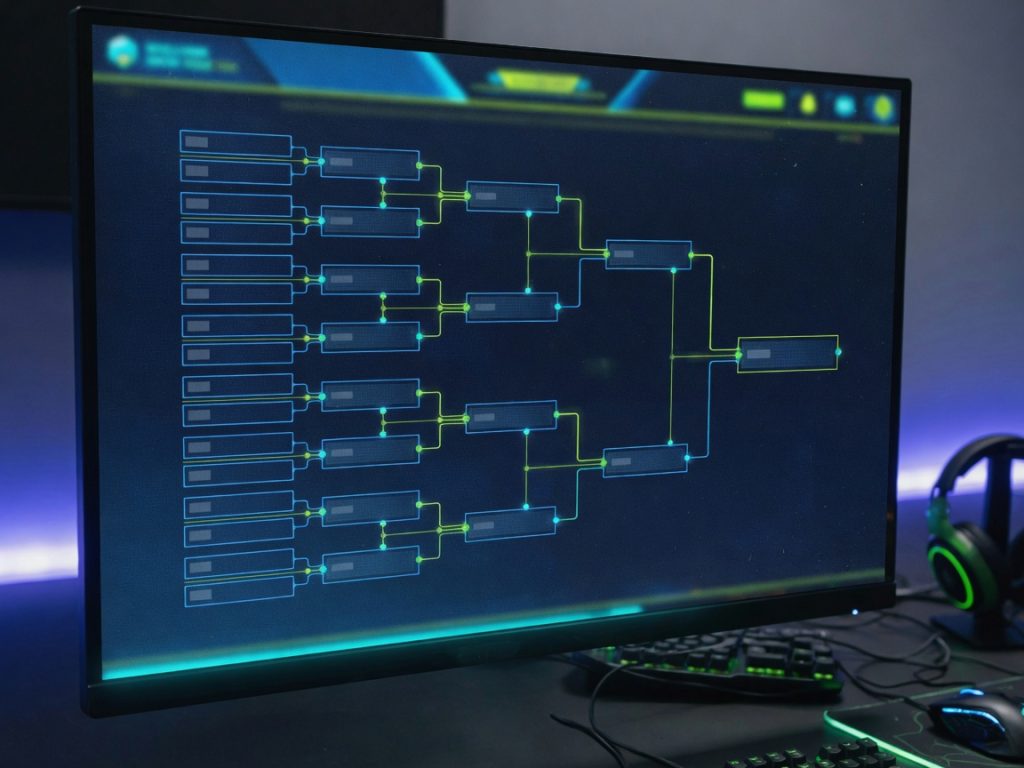
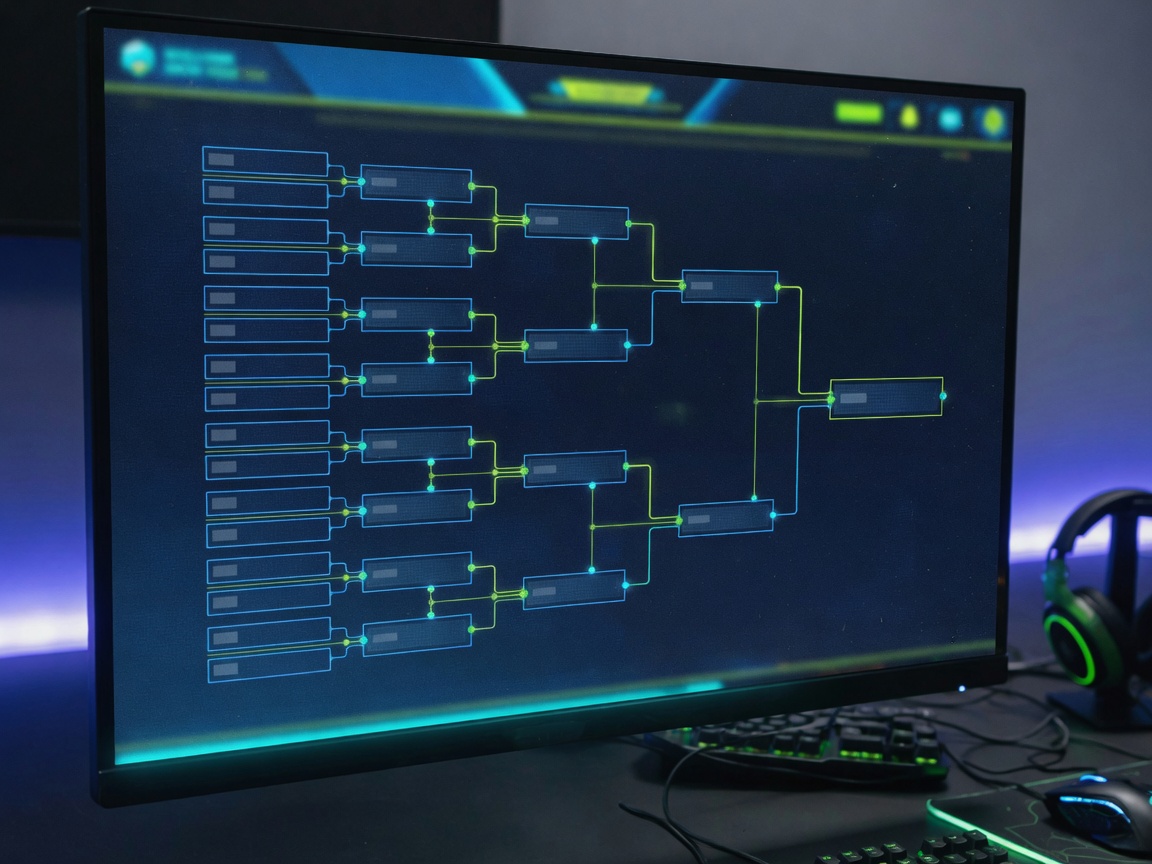
Introduction to Esports Tournament Bracket Systems
In the dynamic world of competitive gaming, esports tournament bracket systems play a crucial role in ensuring smooth and fair match organization. These systems provide a structured way to manage gaming competitions, allowing players and teams to face off in an orderly progression until a winner emerges. By clearly outlining the path each competitor must take, bracket systems help maintain transparency and excitement throughout the event.
Esports tournaments can attract a wide range of participants, from amateur gamers to professional teams, making efficient match organization essential to handle the scale and intensity of competition. Bracket systems serve as an effective tool to manage the logistics of these tournaments, eliminating confusion over who plays whom, and when matches occur. This systematized approach helps tournament organizers keep the event on schedule and ensures that players and spectators alike have a seamless experience.
There are various types of esports tournament brackets, such as single elimination, double elimination, and round robin, each designed to fit different formats and competitive needs. For example, single elimination brackets provide a fast-paced structure where a loss means immediate elimination, whereas double elimination brackets offer players a second chance, enhancing fairness and competition depth. The choice of bracket system can significantly impact the tone and flow of the gaming competition.
Beyond organizing matches, esports tournament bracket systems also enhance spectator engagement by making it easy to track match outcomes and future matchups. Fans can follow their favorite teams or players through the brackets, creating a narrative as the competition unfolds. This transparency not only adds excitement but also helps in building a competitive ecosystem that thrives on clear communication and structured progression.
In summary, esports tournament bracket systems are fundamental to the success of any gaming competition. They streamline match organization, ensure fairness, and improve the overall experience for participants and viewers alike. As esports continues to grow globally, mastering these bracket systems will remain essential for organizers aiming to deliver compelling and professionally run tournaments.
Types of Esports Tournament Bracket Systems
In the world of esports, different tournament formats are utilized to keep competitions fair, engaging, and exciting. Understanding the types of esports tournament bracket systems helps organizers select the best format to suit their event’s size and competitive spirit. The most commonly used bracket systems include single elimination, double elimination, and round robin, each offering unique advantages.
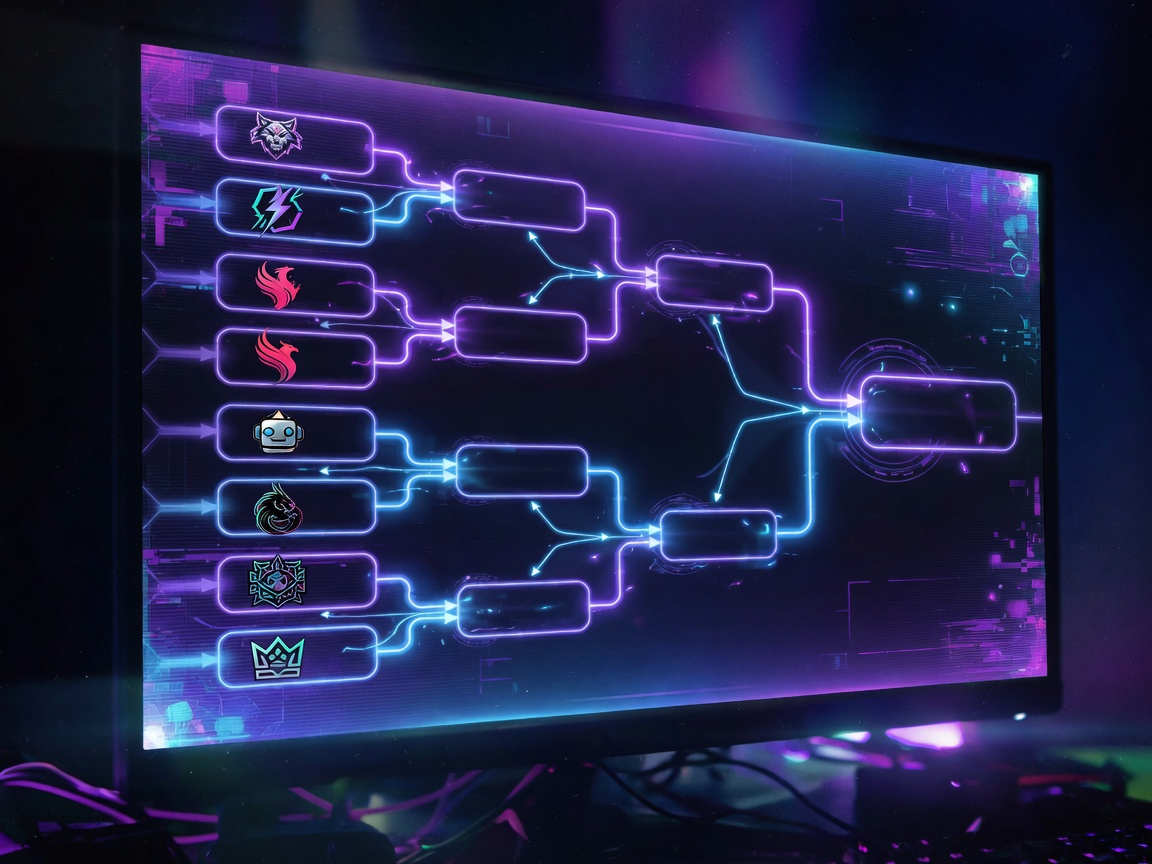
Single elimination is arguably the simplest and most straightforward tournament format. In this system, players or teams face off in matches where the loser is immediately eliminated from the tournament. The winner advances to the next round until only one champion remains. This format is popular for its quick progression and ease of understanding, but it offers no second chances, making every match high stakes.
Double elimination bracket systems introduce a more forgiving structure by giving participants two opportunities before being eliminated. Competitors start in the winner’s bracket, and after their first loss, they move to the loser’s bracket. A second defeat in the loser’s bracket results in elimination. This format ensures that a single bad game does not end a participant’s chances and typically culminates in a grand final where the winner of the winner’s bracket faces the winner of the loser’s bracket.
Round robin tournament formats differ significantly by allowing every player or team to compete against all other participants in the group or pool. Points are awarded based on match results, and the player or team with the highest score at the end of all rounds is declared the winner. Round robin systems are excellent for promoting fairness and comprehensive competition, often used in the early stages of tournaments before transitioning to elimination brackets.
Each of these esports tournament formats brings its own dynamic to competitive play. Single elimination values speed and intensity, double elimination balances opportunity and challenge, while round robin emphasizes thorough competition. Organizers often select a system based on the tournament scale, time constraints, and desired competitive atmosphere, ensuring an exhilarating experience for participants and fans alike.
Single Elimination Brackets
Single elimination brackets are a popular format in esports tournaments, widely recognized for their straightforward structure and excitement. Often referred to as a knockout format, this system eliminates competitors immediately after one loss, streamlining the path to the championship. Each match carries high stakes, as players or teams know that a single defeat means their tournament journey ends.
In single elimination esports brackets, participants are paired off in the first round, and winners progress to the next stage while losers exit the competition. This process continues through successive rounds, narrowing the field rapidly until only one champion remains. The simplicity of match progression makes it easy for organizers and fans to follow, creating a clear and thrilling narrative as the event unfolds.
One of the main advantages of the single elimination format is its efficiency. It requires fewer matches than other bracket types, making it ideal for tournaments with time or scheduling constraints. Additionally, the high-pressure environment often leads to intense and memorable gameplay, which is appealing for both spectators and competitors.
This format is best suited for esports tournaments with a large number of participants, limited event duration, or when simplicity is a priority. It’s also a great choice for casual or regional competitions where organizers want to minimize logistical complexity while maintaining competitive integrity. Overall, single elimination brackets remain a cornerstone in esports for delivering fast-paced, dramatic tournament action.
Double Elimination Brackets
The double elimination format is a popular choice in esports tournaments due to its balanced structure and emphasis on competitive fairness. Unlike single elimination, where a single loss results in elimination, double elimination gives players a second chance to continue competing after their first defeat.
In this format, participants start in the winner’s bracket, where they face off against other contenders. When a player loses in the winner’s bracket, they are not immediately eliminated but instead move down to the loser’s bracket. This secondary bracket offers a path to the finals, allowing players to fight back through additional matches.
The key benefit of double elimination is that it reduces the impact of a single bad game or unexpected loss, providing a fairer competition environment. Players have the opportunity to learn from their mistakes in the loser’s bracket and adapt their strategy, making the tournament more dynamic and engaging for both participants and spectators.
Moreover, having both winner and loser’s brackets adds an extra layer of excitement, as the grand finals typically require the winner of the loser’s bracket to defeat the winner’s bracket finalist twice to claim the championship. This structure not only rewards consistency but also demonstrates resilience, essential qualities in competitive esports tournaments.
Round Robin Format
The round robin format is a widely used system in esports scheduling where each player or team competes against every other participant. This approach is especially common in group stages of tournaments, ensuring a balanced competition by giving all competitors an equal opportunity to face each other. Unlike knockout formats, round robin eliminates the chance of an early exit due to a single loss, making it a fair and comprehensive way to determine which players or teams genuinely perform best over multiple matches.
One of the primary advantages of the round robin format is its ability to provide a clear ranking through accumulated scores or wins, offering transparency and consistency in the results. It allows players to adapt strategies across matches and keeps spectators engaged as every game contributes to the overall standings. Additionally, the format reduces the impact of luck or one-off upsets, making it an excellent choice for esports scheduling when fairness and thorough assessment are priorities.
However, the round robin format also presents some drawbacks. Since every participant faces each other, the schedule can become lengthy and intensive, especially in tournaments with many competitors. This can lead to logistical challenges like longer event durations and increased costs. It may also reduce the element of sudden-death excitement that knockout rounds provide, potentially making some matches less thrilling if standings become predictable early on.
Overall, the round robin format is ideal for group stages in esports tournaments where balanced competition and comprehensive performance evaluation are desired. While it demands more time and resources, its fairness and clarity often outweigh these concerns, making it a favored choice in many esports scheduling scenarios.
How to Choose the Right Bracket System for Your Esports Tournament
Choosing the right bracket system is a critical step in esports event management, as it greatly influences the flow and overall success of your tournament. When you choose bracket formats thoughtfully, you create a seamless experience for players and spectators alike, enhancing engagement and fairness throughout the competition.
One of the first considerations in tournament planning is the size of your participant pool. For smaller tournaments, single-elimination brackets are often the simplest and most efficient format selection, offering quick progression and clear outcomes. However, for larger tournaments, double-elimination or Swiss systems can provide more balanced competition, ensuring that skilled players have multiple opportunities to prove themselves before elimination.
The type of game you’re organizing also impacts bracket system choice. Fast-paced, action-oriented games might benefit from shorter formats like single-elimination to maintain excitement and keep matches dynamic. Conversely, strategic or team-based games with longer rounds may require formats that allow more playtime, such as double-elimination or group stages, to give teams a fair chance to adapt and strategize.
Audience considerations are equally important in format selection. If your esports tournament targets a casual fanbase or a community setting, simpler bracket systems help keep the event easy to follow. On the other hand, professional or broader esports audiences often appreciate complex systems like double-elimination brackets, which build suspense and provide multiple storylines as participants fight their way through winners’ and losers’ brackets.
In addition to these factors, practical logistics such as available time, venue constraints, and streaming schedules should inform how you choose bracket structures. Efficient tournament planning involves balancing competitive integrity with operational feasibility, ensuring that matches proceed without lengthy delays or scheduling conflicts.
Ultimately, selecting the most suitable bracket system hinges on a careful blend of tournament scale, game specifics, and audience preferences. By taking these elements into account, organizers can craft a bracket format that maximizes competition quality while delivering an engaging and well-managed esports event.
Technology and Tools for Managing Esports Bracket Systems
Efficient management of esports tournaments relies heavily on specialized tournament software and bracket management tools designed to streamline the entire process. These platforms not only facilitate the creation of tournament structures but also ensure smooth coordination throughout the event by providing features such as automatic updates and interactive online brackets.

One of the most popular solutions in this space is Challonge, a comprehensive tournament software platform that supports various formats including single elimination, double elimination, and round robin. Challonge’s intuitive interface allows organizers to easily set up their brackets and track match results in real-time. Its automatic updates keep participants and spectators informed instantly, helping to maintain engagement during the competition.
Another widely used tool is Battlefy, which provides an all-in-one solution for esports event organizers. Battlefy’s bracket management tools support both casual and professional tournaments, offering advanced features such as seeding automation, participant registration, and customizable online brackets. The platform’s robust system generates automatic updates to brackets and schedules, greatly reducing manual workload.
For those looking for open-source alternatives, Toornament stands out as a flexible tournament software that allows organizers to create, manage, and publish live brackets seamlessly. With real-time score reporting and automatic progression, Toornament ensures that bracket management tools remain accurate and accessible to all stakeholders. Its integration capabilities with various streaming platforms also enhance the overall esports broadcast experience.
Additionally, platforms like Smash.gg have gained popularity within the community for their focus on esports-specific features, including real-time online brackets that update automatically as matches conclude. These tools not only improve transparency but also help participants track their progress through the tournament stages without confusion.
In summary, leveraging modern tournament software and bracket management tools with automatic updates and interactive online brackets is essential for running successful esports tournaments. These technologies enhance operational efficiency, improve communication, and create a more engaging experience for players and viewers alike.

I’ve been following competitive gaming since the early days of StarCraft, and the strategic depth behind esports betting keeps me hooked. I love breaking down match stats and odds to help readers make informed decisions while enjoying the excitement of the scene.