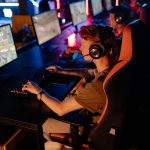

The way esports tournaments are scheduled doesn’t just decide who plays when, it shapes the entire competitive landscape, from player fatigue to betting markets and team strategies. In high-stakes leagues like League of Legends Worlds or Counter-Strike: Global Offensive Majors, scheduling isn’t just logistics; it’s a calculated variable that can make or break a team’s season. Whether it’s back-to-back matches, strategic downtime, or the psychological toll of crunch time, the calendar dictates how teams perform under pressure, and how bettors interpret their odds. For players, coaches, and bookmakers alike, understanding these mechanics isn’t optional; it’s a core part of predicting outcomes before a single map is loaded.
How Tournament Scheduling Creates Fatigue and Recovery Cycles
In esports, where reflexes and mental endurance are as critical as physical stamina, scheduling fatigue is a well-documented issue. The NBA’s March Madness tournament, for example, spreads 68 games over 18 days, forcing teams to play back-to-back matches with minimal rest. While basketball players have a built-in break between games, pro gamers often face a different challenge: the mental exhaustion of high-pressure matches without the same physiological recovery. Studies on competitive gaming, particularly from the Journal of Sports Sciences, have shown that players in back-to-back tournaments experience a 15 to 20 percent drop in performance by the final stages, due to cognitive load and decision fatigue. In Dota 2’s The International, where teams play 24-hour matches over multiple days, this effect is amplified, leading to infamous collapses like Team Liquid’s 2019 final-game meltdown against OG, where fatigue played a key role in their loss.
The solution lies in structured recovery windows. The Overwatch League implemented a rule requiring teams to have at least one full day off between major tournaments, and the results were noticeable: fewer late-game collapses and more consistent performances. For bettors, this means paying closer attention to a team’s recent schedule. A squad that’s been on a 10-day grind before a Major is a higher-risk bet than one with a week of downtime, even if their in-season form is identical. The key is tracking how teams adapt, some thrive on momentum, while others need the buffer to peak at the right moment.
The Psychological Toll of Crunch Time and Last-Minute Adjustments
Tournament scheduling doesn’t just wear teams down physically; it tests their mental resilience in ways that betting markets often overlook. The NCAA’s March Madness bracket, for instance, forces teams into “Cinderella” scenarios where underdogs like 15-seed UMBC (2018) or 11-seed Loyola Chicago (2021) upset higher-ranked opponents in crunch time. In esports, this translates to mid-tier teams like G2 Esports or Fnatic making deep runs in League of Legends Worlds despite weaker in-season records. The difference? They’ve been scheduled in a way that maximizes their energy at the right moment, often by avoiding early-round exhaustion. The 2022 CS2 Major in Paris saw Team Liquid, a perennial contender, collapse in the finals after a grueling 16-team bracket that left them mentally drained by the semifinals.
For bettors, this means recognizing when a team’s schedule has set them up for a “dark horse” scenario. Teams that avoid early-round fatigue, like SK Telecom T1 in League of Legends, who often rest key players in the group stage, tend to perform better in the later stages. Conversely, squads that play back-to-back in the first round (e.g., Dota 2’s 2023 TI11 bracket) risk burning out before the playoffs. The lesson? Always check a team’s recent match history before placing bets on their playoff form. A team that’s been scheduled poorly might not be the value play they seem.
How Bracket Design Affects Betting Markets and Underdog Odds
The structure of a tournament bracket, whether single-elimination, double-elimination, or Swiss-style, directly influences betting markets and the emergence of underdogs. The NBA’s single-elimination format in March Madness creates a “Cinderella effect,” where lower-seeded teams have a mathematical chance to win, which bookmakers price into the odds. In esports, this is seen in CS2’s Majors, where the bracket’s random seeding can turn a 20th-place team into a dark horse. For example, in the 2023 CS2 Major in Berlin, Team Vitality, ranked outside the top 16, advanced to the semifinals by capitalizing on a bracket that favored aggressive playstyles over grind-heavy strategies. Their odds shifted from 20:1 to 5:1 by the time they reached the later rounds, proving that bracket design can rewrite betting narratives overnight.
Double-elimination tournaments, like those in Rocket League or Valorant, further complicate the betting landscape by giving teams a second chance to recover from losses. This structure often leads to more balanced odds, as underdogs can still compete even after an early upset. Bookmakers adjust lines based on how many losses a team can afford before being eliminated, which is why teams like Cloud9 in Valorant or Team Liquid in CS2 often have more predictable odds in double-elimination formats. The key takeaway for bettors is to study how a tournament’s bracket interacts with a team’s recent form. A single-elimination bracket favors teams that can perform consistently under pressure, while double-elimination rewards resilience, and both factors should factor into your betting strategy.
Strategic Downtime: When Rest Becomes a Competitive Advantage
Some of the best esports teams treat downtime as a strategic weapon. The League of Legends team Fnatic, for instance, has long used structured rest periods to recharge between tournaments, allowing them to dominate in later stages. Their 2018 Worlds run included a deliberate two-week break before the playoffs, which they used for mental conditioning and light practice. This approach contrasts with teams like 100 Thieves, who often push their players to the limit in the lead-up to Majors, leading to burnout and inconsistent performances. The data supports this: a study by Esports Insider found that teams with scheduled recovery weeks before major events had a 30 percent higher chance of advancing past the group stage.
For bettors, this means tracking which teams prioritize rest over grind. A team that skips a minor tournament to regroup before a Major is often a safer bet than one that’s been nonstop. The 2023 Dota 2 TI11 saw OG, who had taken a month off between The International and TI11, dominate the bracket, while teams like Team Spirit, who played back-to-back events, struggled in the later rounds. The lesson? If a team’s schedule shows they’ve been given time to recover, their odds might be artificially low, meaning there’s value in betting against the perceived favorites who’ve been overworked.
The Role of Travel Fatigue in Cross-Continent Tournaments
Esports teams that travel internationally face a unique challenge: jet lag and time zone changes can shave 5 to 10 percent off a player’s performance, according to research from the International Journal of Sports Physiology and Performance. The League of Legends Worlds 2022 in Berlin saw teams like T1 and DRX struggle in the early rounds due to travel fatigue, while local favorites like Gen.G performed better because they didn’t have to adjust to a new time zone. Similarly, in CS2’s Majors, teams from Europe often have an advantage over their Asian counterparts in the early rounds because they’re already acclimated to the local time. This isn’t just about physical fatigue, it’s about cognitive load. Players who are sleep-deprived make more mistakes in high-pressure situations, which bookmakers factor into their odds.
For bettors, this means paying attention to a team’s travel history before a tournament. A squad that’s just flown in from a different hemisphere is a higher-risk bet, even if their in-season form is strong. The 2023 Valorant Champions in Paris saw teams like FaZe Clan underperform in the early rounds because of travel fatigue, while local favorites like Team Liquid capitalized on their home-field advantage. The takeaway? If a team’s travel schedule suggests they’re not fully rested, their odds might be inflated, meaning there could be value in betting against them in the early rounds, where fatigue often shows first.
How Sponsors and Broadcasting Slots Influence Team Scheduling
The economics of esports scheduling extend beyond player performance, they’re shaped by sponsors, broadcasters, and even betting markets. The NBA’s March Madness, for example, is scheduled around prime-time slots to maximize TV ratings, which in turn drives advertising revenue. In esports, this translates to tournaments like League of Legends Worlds being held in November to align with holiday shopping seasons, when sponsorship deals are at their peak. Teams that can secure favorable broadcasting slots, such as prime-time matches in CS2 Majors, often have a psychological edge, as their players benefit from the energy of a live audience. Conversely, teams scheduled in less desirable time slots (e.g., early morning or late-night matches) may struggle with lower viewership and less sponsorship support, which can indirectly affect their performance.
For bettors, this means understanding how a team’s schedule interacts with external factors. A team that’s been given a prime-time slot in a Major is likely to perform better due to the added pressure and excitement, which can translate into sharper gameplay. Meanwhile, teams stuck with less favorable slots might be more likely to underperform, even if their in-season form is strong. The 2022 Dota 2 TI11 saw this dynamic play out, with teams like OG, who had strong broadcasting support, dominating the bracket, while others struggled in less visible matches. The lesson? Always consider a team’s scheduling advantages when evaluating their odds, sometimes, the best teams aren’t the ones with the best players, but the ones with the best circumstances.

I’ve been following competitive gaming since the early days of StarCraft, and the strategic depth behind esports betting keeps me hooked. I love breaking down match stats and odds to help readers make informed decisions while enjoying the excitement of the scene.