Understanding the Role of Captains in Esports Teams
In the dynamic world of esports, the role of a captain is pivotal to a team’s success. Captains serve as both strategists and leaders, guiding their teammates through the complexities of competitive gaming. They are responsible for making crucial decisions during matches, fostering team cohesion, and representing their team in various contexts, including negotiations, sponsorships, and media appearances. This multifaceted role requires not just gaming skill but also strong interpersonal and communication abilities, making the captain a central figure in any esports organization.
Strategic Decision-Making and In-Game Leadership
One of the primary responsibilities of a captain in an esports team is to make strategic decisions during matches. This includes calling plays, deciding when to engage or retreat, and adjusting strategies based on the flow of the game. For example, in games like League of Legends or Dota 2, a captain might need to analyze the enemy team’s composition and adapt their own team’s tactics accordingly. This real-time decision-making is critical, as it can turn the tide of a match. Captains often study opponents extensively, using data and previous match footage to inform their strategies, thus showcasing their analytical skills alongside their gaming prowess.
Building Team Cohesion and Morale
Beyond strategy, a captain is essential in fostering team cohesion and maintaining morale. Esports can be incredibly stressful, with high stakes and intense competition. A captain must ensure that team members communicate effectively and support one another, especially during challenging moments. For instance, if a team is on a losing streak, a captain might implement team-building exercises or facilitate discussions to address underlying issues. This role as a morale booster is vital; a united team is often a more effective one. Captains who can inspire their teammates and create a positive environment are more likely to lead their teams to victory.
Communication Skills and Media Representation
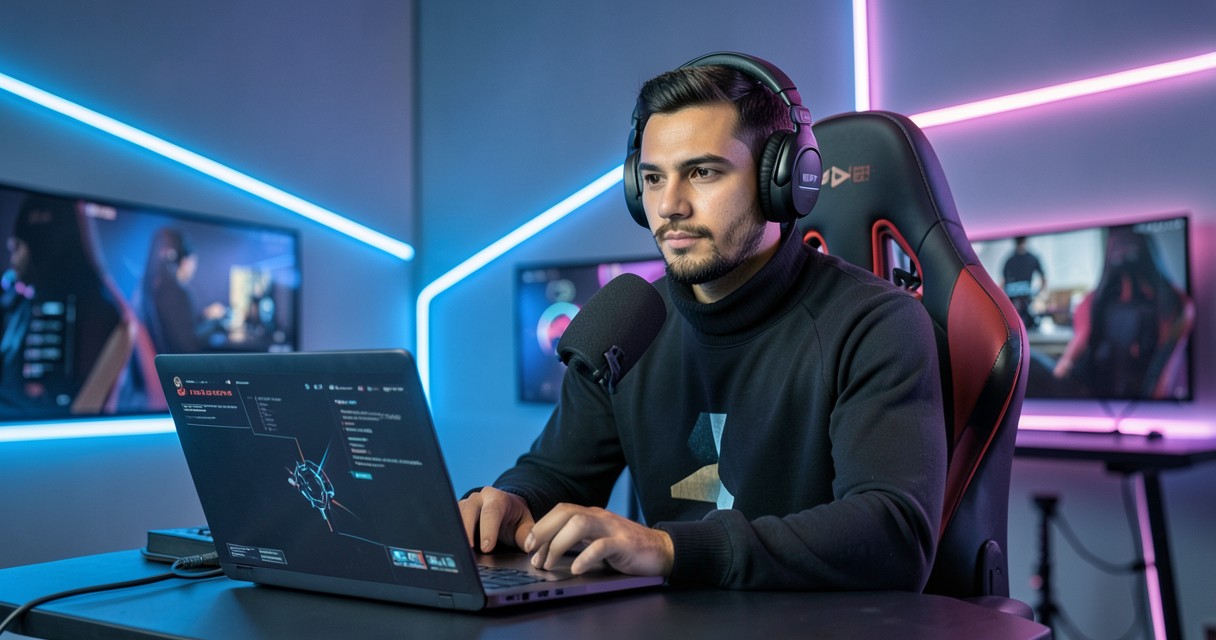
Effective communication is a cornerstone of a captain’s role. Captains must articulate strategies clearly to their team and ensure everyone is on the same page. This includes not only in-game communication but also conveying ideas during practice sessions and post-match analyses. Moreover, captains often serve as the face of their team, handling media interactions and sponsorship negotiations. Their ability to represent the team positively can significantly impact public perception and the team’s brand. For example, a captain’s articulate responses in interviews can enhance a team’s reputation and attract potential sponsors, further emphasizing the importance of communication skills.
Adaptability and Conflict Resolution
The esports environment is fast-paced and ever-evolving, requiring captains to be adaptable. They must be ready to adjust strategies not only during games but also in response to changes in the competitive landscape, such as patch updates or shifts in meta-game strategies. Additionally, conflict resolution is another critical aspect of a captain’s duties. Disagreements can arise among team members due to stress or differing opinions on strategies. A skilled captain will address these conflicts constructively, ensuring that personal issues do not affect team performance. This adaptability and conflict management ability is essential for maintaining a harmonious team dynamic.
Scouting and Recruitment of New Talent
Captains often play a significant role in the scouting and recruitment of new talent for their teams. They are usually involved in evaluating potential players, assessing not only their gaming skills but also their compatibility with the existing team culture. This process can be crucial, as the right addition can strengthen a team’s performance significantly. Captains typically look for players who not only excel in their roles but also demonstrate a willingness to collaborate and learn. Their insights into team dynamics can help organizations make informed decisions when building a roster, emphasizing the captain’s influence beyond just gameplay.
Coaching Collaboration and Training Regimens
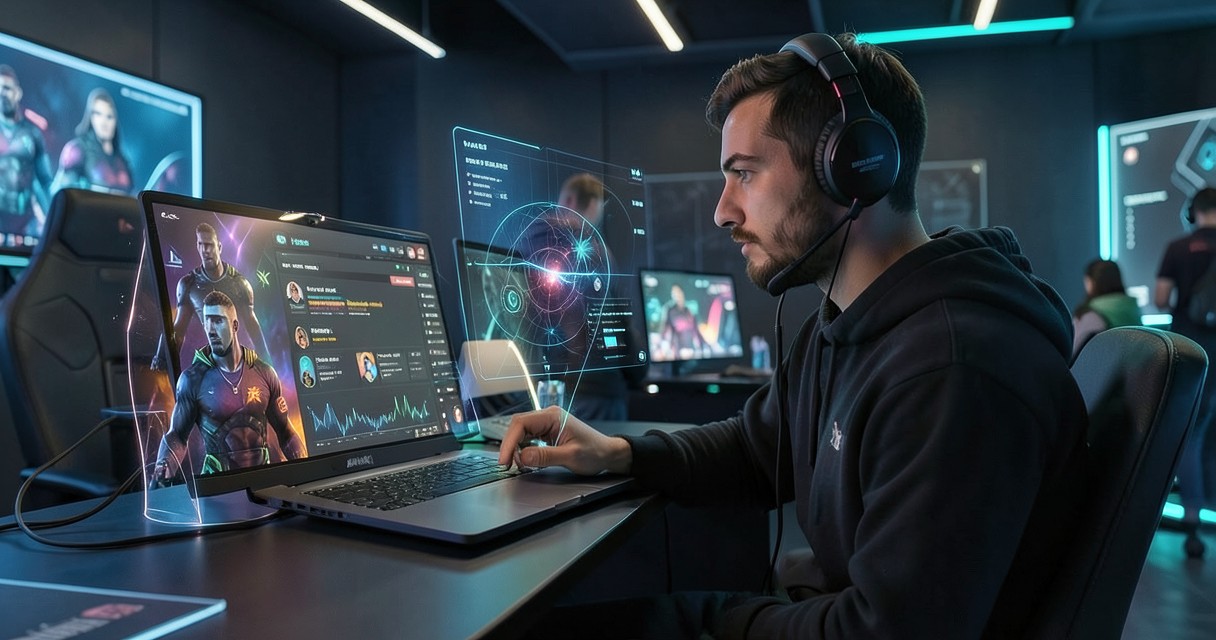
While captains lead in-game, they also collaborate closely with coaching staff to develop training regimens that enhance team performance. This collaboration involves setting goals for practice sessions, analyzing performance metrics, and identifying areas for improvement. Captains often work with coaches to ensure that the training reflects the team’s strategic objectives and addresses weaknesses. This partnership is vital for long-term success, as a well-coordinated training program can lead to significant improvements in gameplay. By being actively involved in the training process, captains help bridge the gap between coaching strategies and in-game execution.
The Future of Captains in Esports
As esports continues to grow in popularity and complexity, the role of captains is likely to evolve further. With the increasing professionalization of esports, captains may find themselves taking on more administrative responsibilities, such as managing contracts and team finances. The integration of analytics into esports will also demand that captains become adept at interpreting data to inform their decisions. This evolution suggests that the future captain will not only be a skilled player and leader but also a savvy businessperson and analyst. As the esports landscape changes, the importance of strong leadership will remain a constant, making the role of the captain more vital than ever.

I’ve been following competitive gaming since the early days of StarCraft, and the strategic depth behind esports betting keeps me hooked. I love breaking down match stats and odds to help readers make informed decisions while enjoying the excitement of the scene.